OpenAI just gave every Pro and Business Premium subscriber an employee who never goes home. It has its own computer and its own browser, it plugs into more than 4,000 apps, and it keeps working while you sleep. Most people will use theirs to summarise the inbox. That’s like hiring a site manager and asking them to hold the door.
The thing is called a dot. I’m skipping the feature tour. Here are three ways to make one earn real money, and one of them is a service you can sell to other people next week.
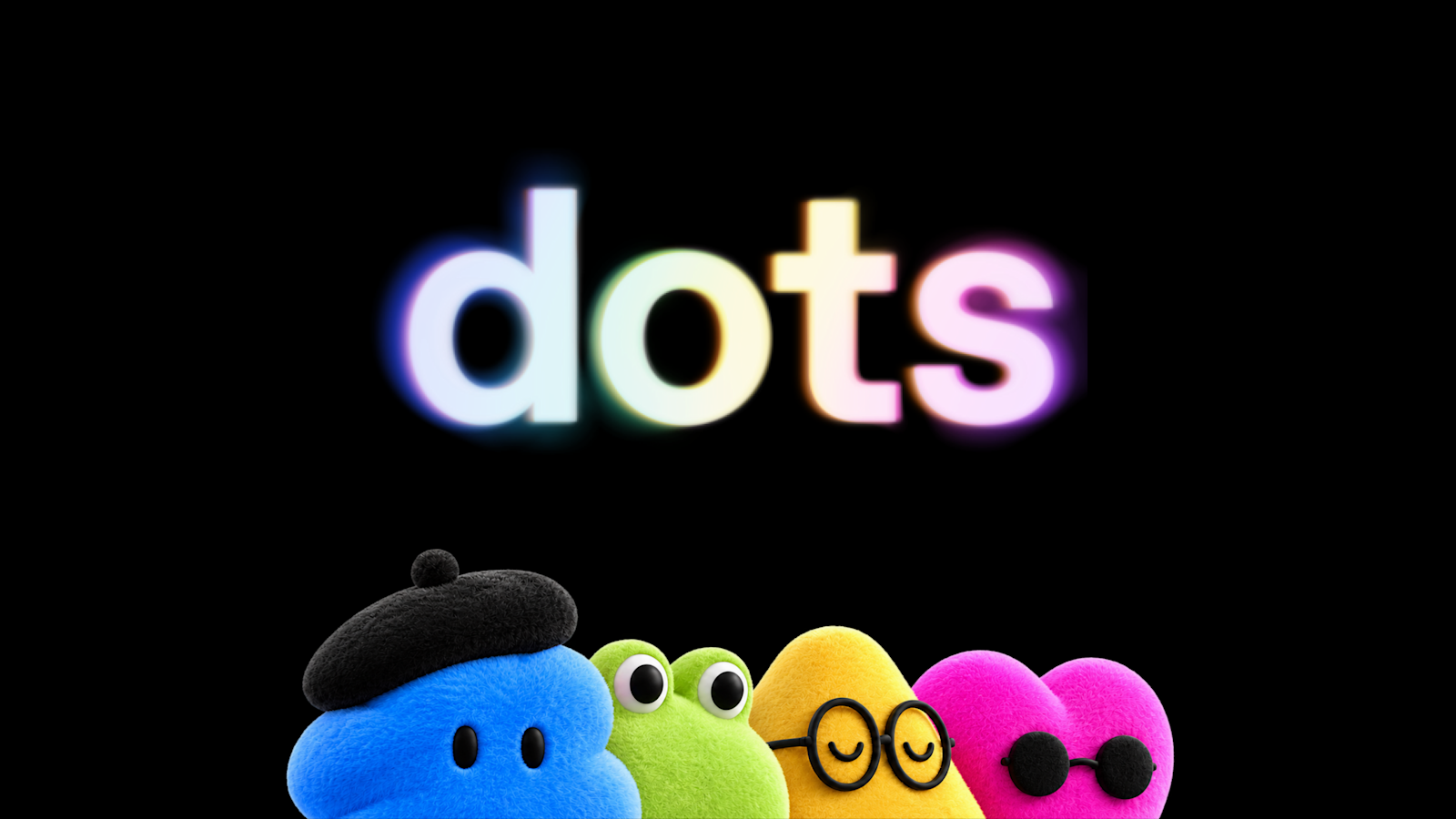
Image: OpenAI, from the official dots announcement
Play 1: Stop doing work you never invoice
The money: the job you finished, the extra hours you did, the variation the client approved on the phone, all of it never billed. OpenAI’s own launch story is exactly this: an early tester’s dot noticed he’d forgotten to invoice a publication, prepared the invoice and sent it after he approved. That’s a dull story with a very good ending.
How I’d run it:
- Create your dot in the ChatGPT desktop app or browser and connect three things: your email, your calendar and your accounting app (Xero, QuickBooks or MYOB, if a plugin exists for yours).
- Give it one standing job: “Every Friday at 3pm, compare this week’s finished jobs, site visits and approved variations in my email and calendar against the invoices in Xero. List anything that looks unbilled, with the evidence, and draft the invoice for each. Don’t send anything.”
- Set a Custom Rule so sending an invoice always needs your approval. You read the list over a coffee, fix the odd wrong one and approve the rest.
The maths, as an example: a 15-person trades or engineering business letting two $1,800 jobs a month slip is leaking $43,200 a year. Catch even half and the dot pays for its subscription many times over.
Play 2: Sell “a dot for your business” as a $2,000 setup
The money: this is the new one. Every owner of a 10-to-50-person business has heard about AI agents and has no idea how to make one useful. Connecting the apps, writing the rules and teaching it what good looks like is the hard part, and it’s exactly the part they’ll pay someone else to do.
How I’d run it:
- Package it plainly: “Dot setup: I connect your apps, set the safety rules, and build three standing jobs that save you money. $2,000 once, then $300 a month to tune it.” The client pays for their own ChatGPT plan; you sell the setup.
- The three standing jobs are always the same shape: the unbilled-work check from Play 1, a Monday 7am brief (“Tell me which customers emailed and didn’t get a reply, which quotes are older than ten days, and the three things I should do first today”), and one job specific to their trade.
- Find your first buyer in your own phone. Show them your dot’s Monday brief on your own screen. That demo does more selling than any deck.
- Write every client’s Custom Rules so nothing is sent, paid or deleted without a human tapping approve. That’s your reputation on the line, not OpenAI’s.
The maths, as an example: four clients in a quarter is $8,000 in setup fees plus $1,200 a month in recurring tuning. Ten clients and the retainer alone is $36,000 a year, for a few hours a month each.
Play 3: A bid hunter that never misses a tender
The money: tenders and RFQs you never saw, or saw two days before close. For any business that wins work through bids, the one you miss is the most expensive email in the building.
How I’d run it:
- Give your dot the tender portals and supplier inboxes you already watch, plus a page on what you’re good at and what you never bid on.
- Its standing job: “Check these portals and my RFQ inbox every morning. For anything that fits our work, write a one-page go/no-go: scope, value, closing date, who we’d compete with, and the three questions we’d need answered. Message me in Teams by 8am.”
- For the ones you say yes to, have it draft the compliance checklist and a first pass at the response. A human writes the price and the parts that win.
The maths, as an example: if the dot surfaces six more relevant bids a year and you win one $90k job you would have missed, that’s $90k from a morning routine you didn’t have to do.
How I’d actually do it
Start with Play 1 on your own business this week. It’s the safest, the dot only reads and drafts, and in a month you’ll have a real number to show people. That number is the pitch for Play 2, which is where the real money is. Play 3 is worth it only if bids are how you win work.
What to ignore: “specialist dots” with their own company identity are enterprise pilots, not something you can switch on. Teams of dots and buying extra dots are promised for later. Texting your dot is “coming soon”. None of that is a play yet.
The honest caveats. Your first dot is included in Pro and Business Premium, but heavy work draws on an allowance, and OpenAI says the extended limits are only for the first month. Rollout is to “eligible markets”, so check it’s live where you are before you sell it to anyone. And OpenAI’s own words: dots can still make mistakes, so always review consequential work. Anything that sends, pays or promises gets a human approval rule. No exceptions.
Where this fits
If you’re on a ChatGPT Business plan without dots, workspace agents can run a lighter version of Play 1. If you’d rather work in Claude, Claude’s desktop agent covers similar ground.
What shipped, for reference: dots launched 29 September 2026, rolling out in ChatGPT to Pro and Business Premium users in eligible markets, with an admin-enabled beta for Enterprise, Edu and Healthcare. Each dot runs on GPT-6 Astra with its own cloud computer and browser, connects to 4,000+ apps through plugins, works in ChatGPT, Slack and Teams, and uses Custom Rules plus auto-review for approvals. Background “proactive research” is read-only. The first dot is included in the plan; specialist dots are in enterprise pilots.