AI-assisted pipeline diagnosis
AI can now show you which quotes are moving — and which are quietly dying.
Most technical B2B businesses cannot tell the difference. We use AI to trace every enquiry, quote and follow-up through your real CRM data, then rebuild the structure so the pipeline finally tells you the truth — not another dashboard nobody trusts.
AI-assisted CRM and sales-process consulting for Australian technical B2B businesses. Fixed scope, normally three to four weeks. Melbourne, working remotely across Australia.
Also from LeanB2BTools
Multipod's AI Tools desk.
Twice a week, Multipod reads what the major AI labs and sales tools actually shipped and writes the version worth your time — which jobs AI is genuinely good at inside a B2B pipeline today, and which are still hype dressed up as a product launch.
AI Tools
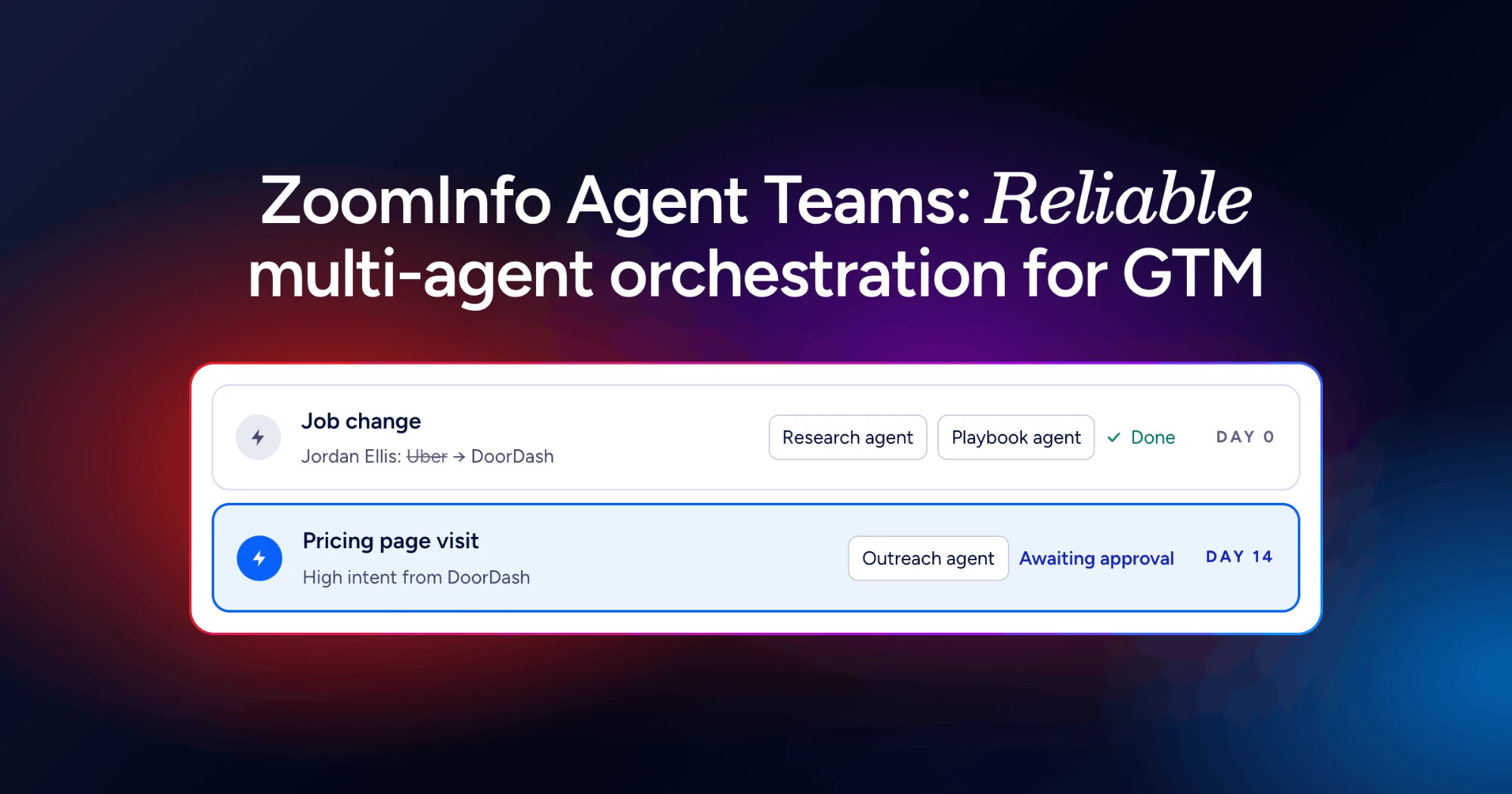
Three Ways to Turn ZoomInfo Agent Teams Into Quotes, Not Just Activity
Champions who change jobs, deals you lost last year, competitors of every new win — with a human on send.

AI Tools
Three Ways to Make Money From the Gong Calls You’ve Already Recorded
Stalled quotes, single-threaded deals, missed upsells — and the play I’d start with.

AI Tools
Three Ways to Win More Deals With a Voice Agent That Answers in 150 Milliseconds
After-hours enquiries, quotes the MD never reads, export buyers: three voice-agent plays and the one to avoid.

AI Tools
Three Ways to Make Money From the Sales Calls Pipedrive Nova Is Already Recording
Forgotten next steps, objections nobody fixes, slow-ramping reps: turning call notes into revenue.

AI Tools
Three Revenue Plays for Salesforce’s Agentforce 360, and the One to Skip
Sales leads hiding in service calls, consistent lead qualification, and smaller AI bills.

AI Tools
Three Ways to Find Money Hiding in Your HubSpot With Claude
Quiet big deals, the real reason you lose, and a forecast you can believe.
Follow one enquiry through the business.
This is where the value leaks. Not in selling harder — in the four handovers nobody owns.
Stage 01 · Enquiry
It lands in an inbox, not a system.
Whoever opens the email owns it by accident. There is no record that it arrived, no owner, and no date by which anything must happen. If that person is on leave, it belongs to nobody.
“Did anyone come back to the people who called on Tuesday?”
Stage 02 · Quote
It goes out, and then it goes quiet.
The quote is the most expensive thing the business produces — engineering time, specification, pricing. Then it leaves, and the follow-up depends on somebody happening to remember.
“How many open quotes are older than three weeks?”
Stage 03 · Follow-up
The pipeline number stops being true.
Reported value still contains deals that died months ago, because nothing forces a stage to change when reality does. The report is produced, circulated, and quietly disbelieved by everyone who reads it.
“Is that figure real, or is it just what the CRM says?”
Stage 04 · Order
Nobody can say why the others were lost.
Price, lead time, specification, silence. It was never recorded, so the same loss repeats next quarter, and the quarter after that. The business learns nothing from the deals it does not win.
“Why did those deals actually go elsewhere?”
The quote is the most expensive thing the business produces. Then it leaves the building, and nobody owns it.The gap CRM Pipeline Rescue closes
Four things get fixed. Nothing vague.
A fixed-scope engagement, normally delivered over three to four weeks.
01
Pipeline structure
Stages and exit criteria tied to genuine buyer progress, not wishful thinking.
02
Clear ownership
One accountable owner and one dated next action for every active opportunity.
03
Follow-up controls
Up to three agreed reminders or handoffs, configured and tested before activation.
04
Management visibility
One practical dashboard, built from information the current system can be trusted to hold.
Review. Rebuild. Handover.
The audit starts read-only. Nothing changes in production until it has been agreed.
1
Review
Understand the real commercial process, and audit how the CRM currently represents it.
2
Rebuild
Agree the new structure, ownership rules, critical fields, automations and reporting.
3
Handover
Verify the changes, document the operating rules, and support the first month of use.
Designed for technical B2B sales.
Built around complex quotations, long sales cycles, technical specification, multiple decision-makers, and handovers between sales, estimating, service and operations.
Worth a conversation?
Said plainly, because a fixed price only works when the scope is honest.
This fits
- You sell technical or specified products to other businesses
- Sales cycles run weeks to months, with quotes and revisions
- A CRM exists, and the team works around it
- Someone senior cannot get a straight answer about the pipeline
- Typically 3 to 15 people use or manage one primary sales process
This does not
- You want more leads — this fixes what happens after they arrive
- You want someone to sell for you
- You are looking for a full ERP replacement
- You need custom software built
- You want ongoing IT support or cybersecurity
Where this usually leads.
Most engagements do not stop at the pipeline. Once the commercial process is trustworthy, the next questions surface on their own.
Each of these is scoped and quoted separately, after the rescue. None of it is bundled into the fixed price, and none of it is assumed.
Start with the review.
Share what your business does, what system you currently use and where opportunities are getting stuck. The initial review confirms whether the problem fits CRM Pipeline Rescue and what would happen next.
The review is a fit and scope assessment, not the paid audit. If it fits, the next step is a fixed-scope proposal covering inclusions, timing and price.