Somewhere in your town, a business is about to pay an agency $6,000 for a sales deck, $1,500 for a capability statement and another $2,000 for a 30-second video that explains what they do. On 8 October Anthropic made most of that a lunch-break job.
Claude now builds decks, documents and designs on every plan, including Free, and exports them as real PowerPoint and PDF files. On Team and Enterprise it also makes short animated explainers you download as MP4. I’m skipping the feature tour. Here are three ways to turn that into money, and two of them are services you can sell.
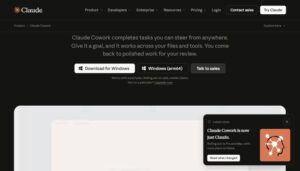
Image: Anthropic, from the official Claude announcement
Play 1: Sell 30-second explainers at $750 each
The money: every technical business has a product nobody understands from the website. A pump that saves energy, a software add-on, a service with three tiers. A short animated explainer fixes that, and until now it meant a motion designer and a three-week wait. Claude Motion animates your text, charts, shapes and images as editable code, so every word, number and timing can be changed. No AI-generated people, no weird footage. Just clear.
How I’d run it:
- Get on a Claude Team plan (Motion is in beta on Team and Enterprise).
- Make one for yourself first. Paste your own product page and type: “Make a 30-second animated explainer of this product for a busy operations manager. Open with the problem, show the before-and-after in one simple chart, end on one line of what to do next. Use our colours: navy and orange.”
- Fix the wording in the editor, download the MP4, and post it on LinkedIn. That’s your portfolio.
- Then offer it to five local businesses whose websites are walls of text: “I’ll turn your hardest-to-explain product into a 30-second video for your site and LinkedIn. $750, two rounds of changes, delivered in three days.”
Here’s one I made with Claude Motion, for our own CRM pipeline review. Thirty seconds: the problem, the four steps, one before-and-after chart, one line of what to do next.
The maths, as an example: six explainers a month at $750 is $4,500. Each one is maybe two hours of your time once you’ve done a few, mostly spent on the client’s script, not the animation.
Play 2: Sell tender packs that look like a big firm made them
The money: small suppliers lose tenders to bigger ones partly on presentation. A capability statement in Word with a stretched logo next to a polished PDF from a firm with a marketing department. You can sell the polish.
How I’d run it:
- Collect the client’s raw material: past projects, certifications, team bios, their logo and colours.
- In Claude, set up their look once with Design, then type: “Using these notes and this brand, build a two-page capability statement and a ten-slide tender presentation for a mining maintenance contract. Lead with three past projects, each with the problem, what we did and the result in one line.”
- Export the statement as PDF and the deck as PowerPoint, or straight to Google Slides if that’s what the client uses. Formatting survives the export, which is the whole point.
- Check every claim against the client’s real records. A tender pack with an invented result is worse than an ugly one.
- Price it as a package: “Tender-ready pack: capability statement, presentation deck, and one case-study page. $1,500, then $400 to tailor it to each new tender.”
The maths, as an example: four packs a quarter is $6,000, and the $400 tailoring fee is the part that repeats. A client who bids monthly is worth another $4,800 a year.
Play 3: Fire the deck agency
The money: if you’re the business owner rather than the seller, this one’s for you. Plenty of 20-person companies pay an agency $5,000 to $8,000 every time the sales deck needs a refresh, plus a few hundred dollars each time a salesperson wants a version for a particular customer.
How I’d run it:
- Give Claude your current deck and brand guide once and set it up as your design system.
- When a rep has a big meeting, they type: “Make a version of our sales deck for a food manufacturer worried about downtime. Swap in our two food-industry case studies, cut anything about mining, and keep it to twelve slides.”
- The sales manager reviews it before it leaves the building, because pricing, guarantees and customer names are exactly where a confident tool can be confidently wrong.
The maths, as an example: two agency refreshes a year at $6,000 plus ten custom versions at $300 is $15,000. A Claude Team seat costs a small fraction of that, and the custom versions now take twenty minutes instead of a week.
How I’d actually do it
Start with Play 1, on your own business. It’s the most impressive thing in this release, people stop scrolling for it, and the video you make for yourself becomes the sample that sells Plays 1 and 2 to others. Play 3 is the safest money if you’d rather keep it in-house.
What to ignore for now: Claude Dashboards is also new, but it’s in beta and built for companies with a proper data platform like Snowflake or BigQuery. If your numbers live in Xero and a spreadsheet, it isn’t your play yet.
The honest caveats. Motion is beta and only on Team and Enterprise, so expect rough edges and price your first few jobs knowing you’ll redo a scene or two. Sharing outside your organisation depends on your admin’s settings. Claude Design’s old standalone site closes on 14 December, so if you used it, migrate your design systems before then. And Claude will happily write a result your client never achieved, so you check the facts every time. That’s your name on the work.
Where this fits
If you want an AI that works in the background rather than one that makes things on request, read my take on OpenAI’s always-on dots. For Claude doing the desk work around these files, see Claude’s desktop agent.
What shipped, for reference: on 8 October 2026 Anthropic took Claude Docs, Slides and Design out of beta on every plan, including Free, with PowerPoint and PDF exports, editable export to Google Slides, shared editing and mobile editing. Claude Motion (animated explainers, MP4 download, no generated footage) is in beta on Team and Enterprise. Claude Dashboards (live dashboards from BigQuery, Snowflake, Databricks, Redshift, ClickHouse or Salesforce) is in beta on paid plans. The standalone claude.ai/design site closes on 14 December.
Source: Anthropic, “Build live dashboards and animate explainers with Claude”, 8 October 2026.